Cherry Pie Caviar: A Solventless Concentrate Worth the Hype
If you have spent any time around cannabis concentrates in the past couple of years, you have likely heard the name Caviar. It gets thrown around in dispensaries and online shops like KushStation, often attached to some of the most sought-after solventless extracts on the market. The brand has built a reputation on cold cure, nug run, and live resin products that capture the full profile of the source plant. One of their most intriguing offerings is a strain-specific concentrate that goes by the name cherry pie caviar. For anyone who has been curious about what makes a solventless product different from a standard BHO extract, this is a good place to start.
Let me be clear from the jump: I am not here to pitch you a product. I am here to talk about what makes a concentrate like this worth your attention, what to look for when you see terms like hash rosin or cold cure on a jar, and how to get the most out of a high-terpene, strain-specific experience. Whether you are a seasoned dabber or someone just moving past distillate cartridges, the details matter.
What Makes a Concentrate Solventless
The biggest difference between a standard wax or shatter and something like cherry pie caviar comes down to how the cannabinoids and terpenes are separated from the plant material. Most commercial concentrates use a solvent like butane or ethanol to strip the trichomes, then purge the solvent under heat and vacuum. The process works, but it can degrade delicate monoterpenes and leave trace residues. Solventless methods, on the other hand, rely on mechanical separation. Ice water extraction for hash rosin, or direct pressure and heat for rosin presses, keep the chemical profile closer to what the living plant produced.
Caviar has built their lineup around this philosophy. Their cold cure hash rosin, for instance, is pressed at low temperatures and never exposed to solvents. The result is a concentrate that retains a broader spectrum of volatile compounds, especially the ones responsible for aroma and nuanced effect. When you see a product labeled nug run or live resin, you are looking at a similar commitment to preserving the plant's original character. Nug run means the hash was made from whole flower rather than trim, which tends to produce a more flavorful, potent end product. Live resin uses freshly frozen plant material, locking in moisture and volatile oils that degrade during a typical dry and cure.
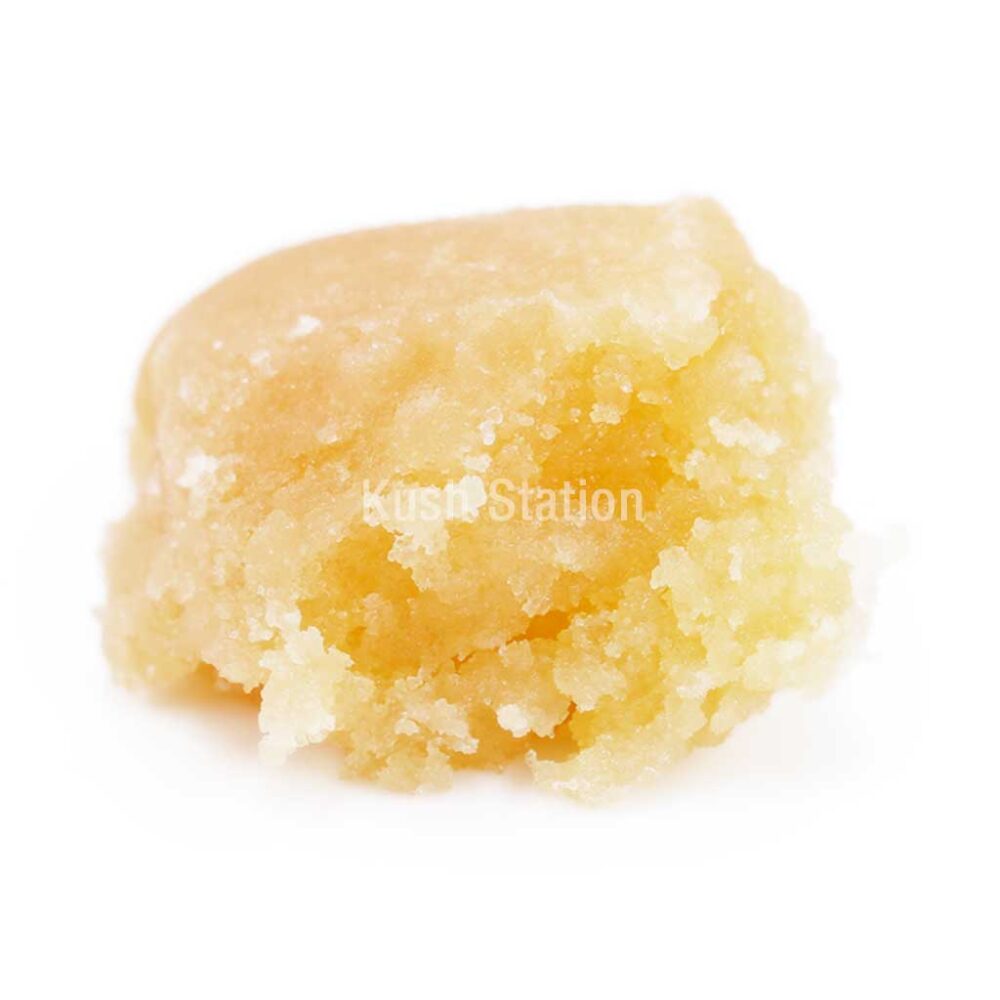
The Cherry Pie Profile
Cherry pie as a strain is a classic hybrid cross of Durban Poison and Big Bud. It leans slightly Indica in effect, but the sativa lineage gives it a lift that keeps it from being a total couch-lock. The flavor profile is where it shines: sweet, tart, with a distinct cherry-pie filling note backed by earthy, slightly spicy undertones. In flower form, it is a favorite for its balanced high and dessert-like aroma. Translating that profile into a concentrate requires careful handling, because those volatile esters that create the cherry note degrade quickly with heat and oxidation.
That is where the cold cure process comes in. By keeping the extraction and storage temperatures low, the concentrate retains the original terpene profile instead of flattening into a generic sweet or piney note. A well-made cherry pie caviar should smell exactly like the flower version, only more concentrated. When you open the jar, you should get that immediate hit of sour cherry and pastry crust, not just a generic "fruity" scent.
Dabbing the Right Way
If you have invested in a premium solventless concentrate, you want to make sure you are not wasting it with bad technique. A dab rig with a quartz banger is the standard tool, but the temperature you heat it to matters more than most people think. Too hot and you vaporize the terpenes before they reach your lungs, leaving a burnt, harsh hit that tastes like nothing. Too cold and the concentrate pools without fully vaporizing, wasting material.
For a hash rosin or live resin like cherry pie caviar, I recommend a target temperature between 450 and 500 degrees Fahrenheit. If you do not have an infrared thermometer, you can use the timer method: heat the banger until glowing, then let it cool for about 45 to 60 seconds depending on thickness. Drop the concentrate in and cap it immediately. The vapor should be thick but not acrid, and the flavor should carry through the whole hit. If you taste cherry on the inhale and a clean, herbal finish on the exhale, you nailed it.
You can also use a nectar collector or an electronic rig like a Puffco Peak, but the same temperature principle applies. Lower temps preserve flavor; higher temps increase vapor production at the cost of taste. For a strain-specific concentrate, flavor is the whole point.
Terpenes and the Entourage Effect
One reason people seek out solventless concentrates is the entourage effect: the idea that cannabinoids like THC and CBD work better when accompanied by the full range of terpenes and minor cannabinoids present in the original plant. A broad-spectrum extract like cherry pie caviar contains not just THC but also CBG, CBC, THCV, and dozens of volatile compounds that modulate how the THC interacts with your endocannabinoid system. The result is often a more rounded, less anxious high than you get from a high-THC distillate that has been stripped of everything else.
Terpenes themselves offer their own effects. Myrcene, common in Indica-dominant strains, promotes sedation and relaxation. Limonene, found in many sativa hybrids, can elevate mood and reduce stress. Caryophyllene, a spicy terpene that binds directly to CB2 receptors, has anti-inflammatory properties. When you consume a concentrate made from a strain like cherry pie, you are getting a cocktail of these compounds in the ratios the plant evolved, not a synthetic approximation.
Budder, Wax, Shatter, and the Texture Question
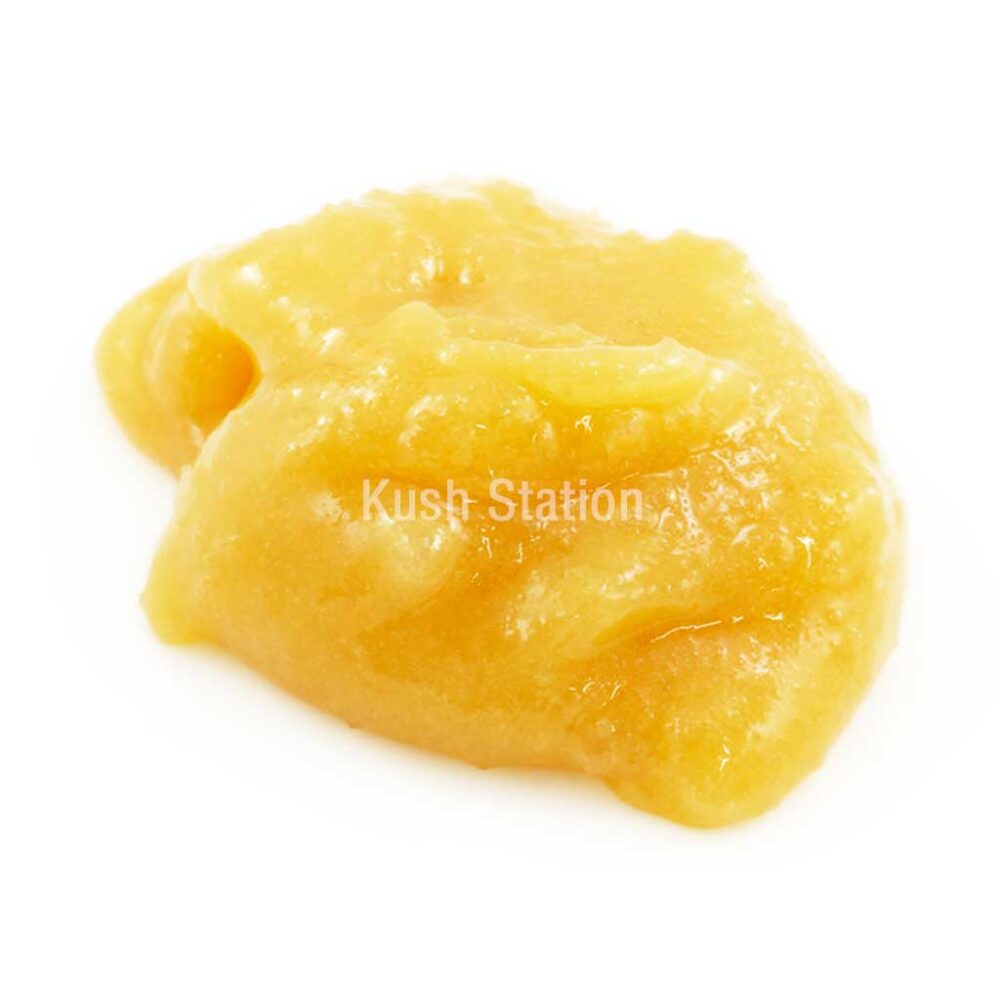
Not all concentrates look the same, and texture can tell you a lot about how they were made. Budder is a whipped, creamy concentrate that aerates the extract, making it easier to handle but also introducing more surface area for oxidation. Wax is a broad term for any soft, pliable concentrate. Shatter is a glassy, brittle form that results from a specific decarboxylation step in BHO extraction. Hash rosin, the form Caviar uses for their cherry pie caviar, typically presents as a translucent, honey-like amber at room temperature, firming up when refrigerated.
The texture of a good solventless rosin should be workable but not sticky. If it runs like syrup, it likely has too much residual moisture or lipid content. If it is hard and crumbly, it may have been overheated during pressing or stored improperly. A cold cure product like this should be smooth, easy to dose with a dab tool, and consistent from batch to batch.
Where KushStation Fits In
KushStation operates as an online retailer that curates a selection of Caviar concentrates, including strain-specific options like cherry pie caviar. They list multiple price points and strain varieties, which makes it easier to compare options without having to visit a dozen different shop pages. What matters when you buy online is transparency: clear photos of the actual product, batch-specific lab results if available, and accurate descriptions of the extraction method. A product labeled solventless should be exactly that, not a solvent-based extract that was post-processed to remove residual solvent.
If you are browsing their menu, pay attention to the strain name and the form factor. Some concentrates are sold as loose rosin in a jar, others as pre-formed pucks or even infused into cartridges for portable vaporizers. The cherry pie caviar I have seen from Caviar tends to come as a loose, malleable rosin in a glass jar, which is ideal for dabbing at home. The label should also indicate whether it is nug run or live resin, both of which are positive indicators of quality.
Final Thoughts on Solventless Concentrates
The concentrate market has grown fast, and not all of that growth has been in the direction of quality. Cheap wax and shatter made from old trim and aggressive solvents still flood the market, sold at prices that seem too good to be true. A product like cherry pie caviar exists at the opposite end of that spectrum: made from whole flower, extracted without chemicals, and preserved through cold cure to retain the living character of the plant. It costs more, but you are paying for something real: the strain's actual flavor, a cleaner vapor, and a high that reflects the full complexity of the source.
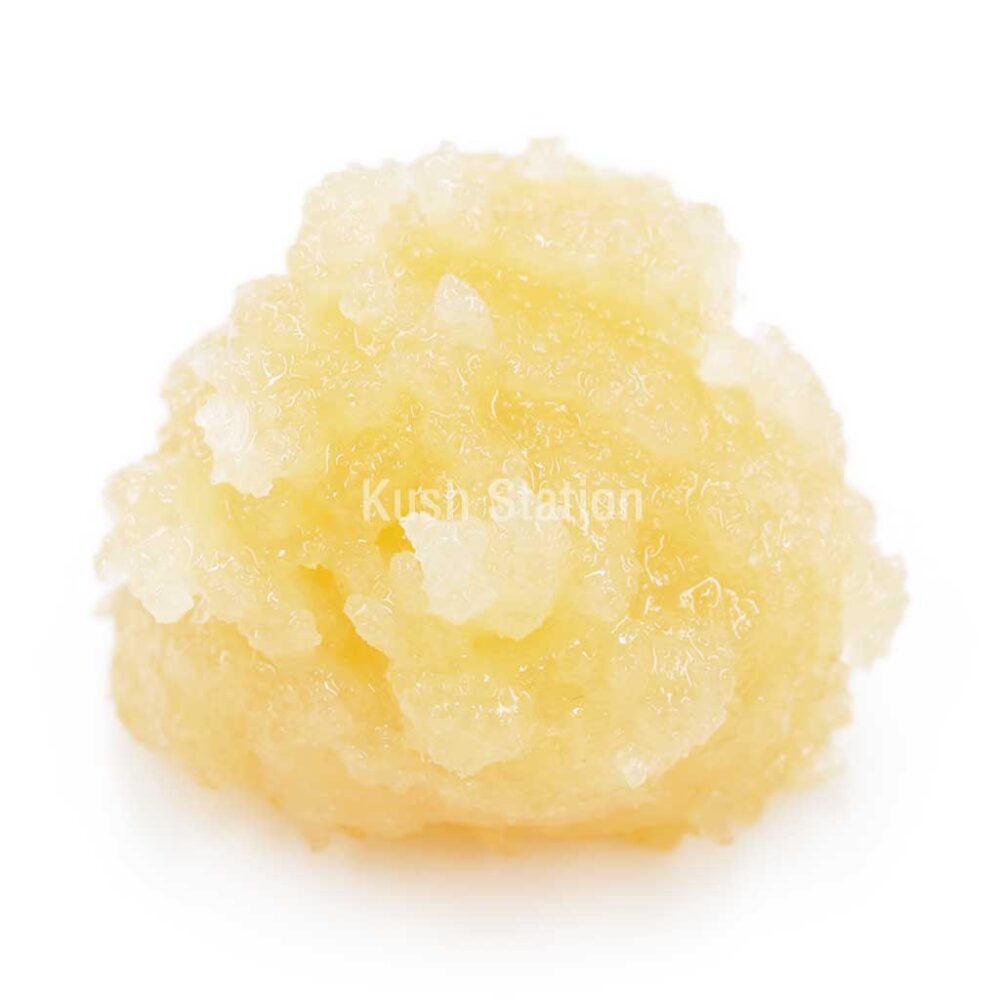
If you have never tried a solventless, strain-specific concentrate before, I would suggest starting with a strain you already enjoy in flower form. That way you have a baseline for comparison. Cherry pie is a good candidate because its flavor is distinctive and easy to recognize. The first time you dab a proper cherry pie caviar, the difference between it and a generic wax should be obvious. It is not just stronger. It is more true to the plant.
And that, ultimately, is what separates a commodity from a craft product. One is about potency per dollar. The other is about preserving the experience of a specific strain, from the terpenes to the effect, in a form that respects the plant and the person consuming it.